
Loading...
Published on December 25, 2025
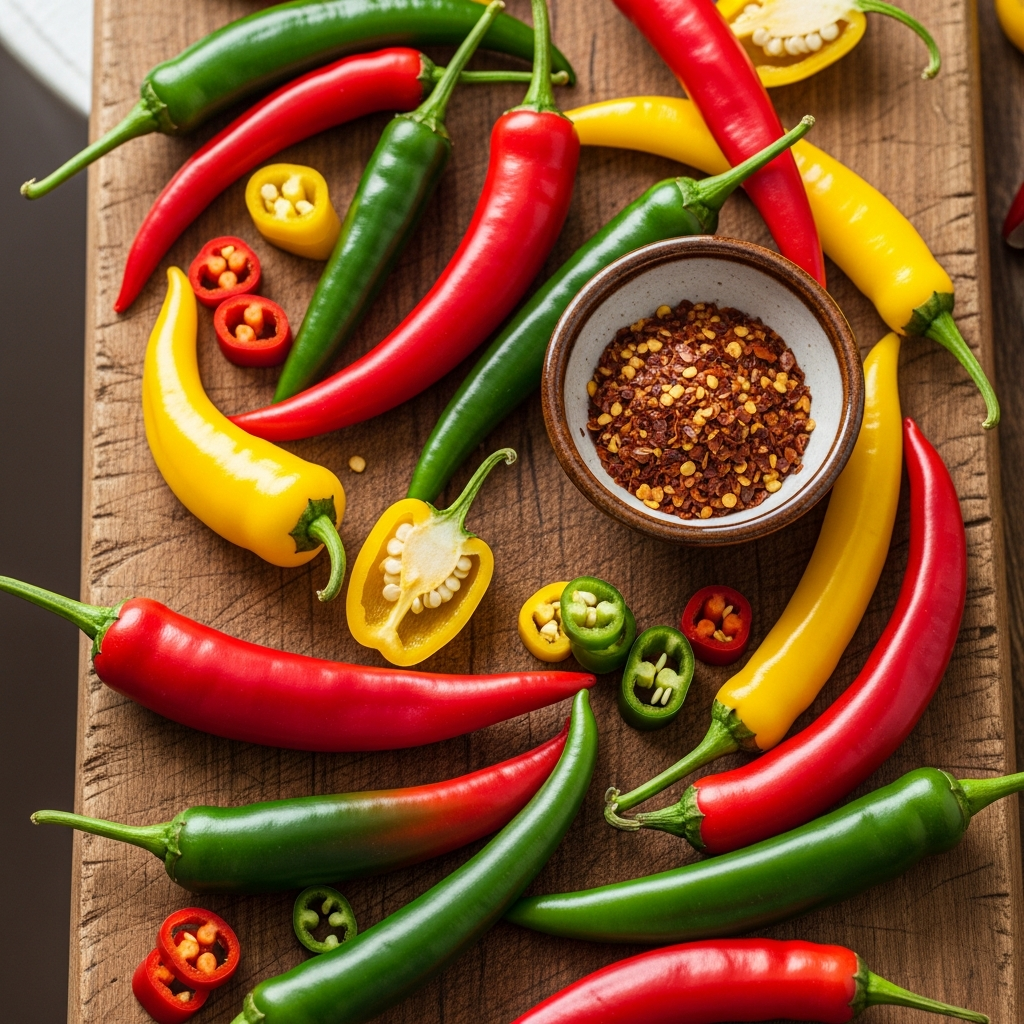
There’s something strangely satisfying about eating food that hurts a little. That chili burn, the tingly lips, the sweat on your forehead…it feels almost primal. For years, spicy food had a bad reputation, blamed for ulcers and “ruining” the stomach. But newer research is flipping that story.
The heat you feel mostly comes from capsaicin, the active compound in chili peppers. Instead of damaging your body, capsaicin seems to trigger a series of responses that may actually support better health…from how you burn calories to how your heart and gut function.
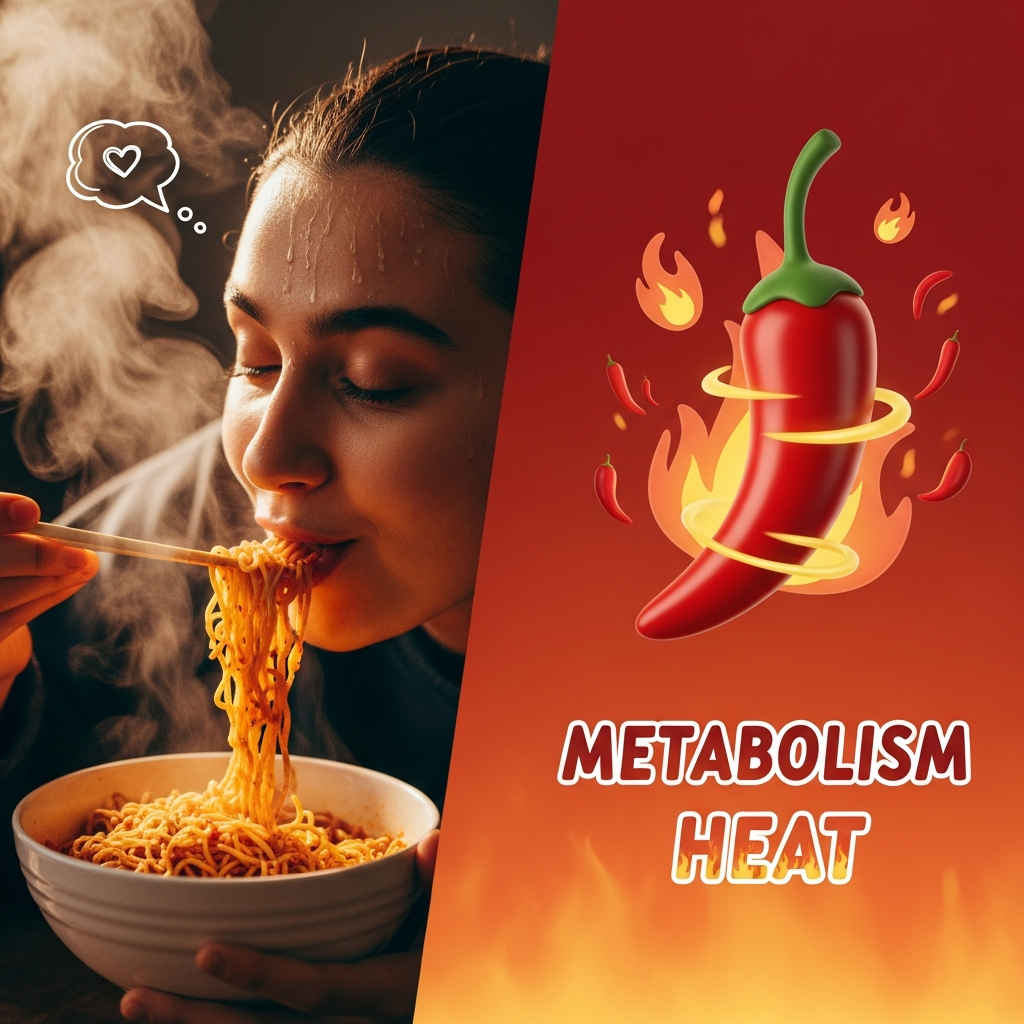 If you’re hoping spicy food will erase a fast‑food binge, that’s asking too much…but it might give your metabolism a small, helpful nudge. Studies suggest capsaicin can temporarily increase your body’s heat production and energy use, a process called thermogenesis.
That’s why you start to feel warm and sweaty after a spicy meal: your body is working a bit harder and burning a few extra calories as it cools itself down.
One study found people who ate spicy meals burned slightly more calories than those who ate the same food without spice. Over time, tiny differences like that can add up…especially if you enjoy spicy food regularly and pair it with an overall healthy lifestyle.
There’s also emerging evidence that spicy meals may help reduce cravings for very fatty or sugary foods in some people, which could indirectly support weight management. It’s not magic, but it can be one small tool in a bigger healthy‑eating toolkit.
This part surprises a lot of people. Many grew up hearing that spicy food “tears up” the stomach lining, but research is finding almost the opposite for most healthy adults. In moderate amounts, capsaicin may help increase the protective mucus layer in your stomach and reduce certain types of inflammation.
Some studies suggest that capsaicin can make it harder for harmful bacteria, like H. pylori (a common cause of ulcers), to thrive. Interestingly, populations that eat spicy food daily often have lower rates of certain stomach issues than people who avoid heat.
Of course, this doesn’t mean spice is safe for everyone in every situation. If you have conditions like IBS, acid reflux, or an already irritated gut, spicy food can still trigger discomfort or flare‑ups. And that burning feeling? It’s mostly your pain receptors being “tricked” - they sense heat, even though your tissues aren’t literally on fire. Listening to your own body is key.

It feels a bit ironic: your heart is pounding after a fiery bite, yet long‑term spicy food intake may actually support heart health. Research has linked regular chili consumption with lower blood pressure and more favorable cholesterol profiles in some groups.
Capsaicin appears to help blood vessels relax and widen, which can improve circulation. Its anti‑inflammatory effects may also matter, because chronic inflammation can damage blood vessels over time and raise the risk of heart disease and stroke. Some large population studies have even found that people who eat spicy food frequently tend to have lower rates of cardiovascular events than those who rarely eat it.
Again, it’s not proof that chilies alone “protect” your heart, but they may be one heart‑friendly ingredient in an overall balanced diet - especially when they’re part of dishes rich in vegetables, beans, and lean proteins.
It sounds strange, but the same compound that makes your mouth feel like it’s on fire is also used in pain relief creams and patches. Topical capsaicin is commonly recommended for some types of arthritis and nerve pain.
Here’s why: capsaicin can gradually reduce levels of a chemical messenger called substance P, which is involved in sending pain signals to the brain. With repeated exposure, those signals can weaken, and pain can feel less intense.
That’s also why people who grow up eating very spicy food often seem “immune” to it…they’ve slowly trained their pain receptors to react less.
Some early research suggests that people who regularly eat spicy food may report lower levels of certain chronic pains overall. It’s still not clear whether spicy food directly causes this effect or whether it’s part of a bigger lifestyle pattern…but it’s an intriguing connection scientists are continuing to explore.
 One of the most eye‑catching findings about spicy food comes from large population studies looking at diet and mortality. In several of these, people who ate spicy food most days of the week had a noticeably lower risk of death over the study period compared to people who rarely ate it.
That doesn’t prove that hot sauce is a fountain of youth, but it suggests something about chili‑heavy diets may be protective. It could be the anti‑inflammatory or antimicrobial effects of capsaicin, the impact on heart and metabolic health, or simply that spicy food often makes vegetable‑based dishes more appealing, so people eat more plants.
Whatever the exact reason, there’s little evidence that regularly adding spice to your meals is shortening anyone’s life…if anything, it may be quietly working in your favor when combined with other healthy choices like not smoking, staying active, and managing stress.
If you enjoy spicy food and don’t have a medical reason to avoid it, there’s a good chance you can keep savoring that burn without guilt, and maybe with a bit more appreciation. That said, it’s still possible to overdo it. Extremely spicy food can cause short‑term irritation, and people with certain digestive or heart conditions should follow their doctor’s guidance first.
Think of capsaicin as a gentle ally rather than a cure‑all. Sprinkle it into a balanced lifestyle: plenty of whole foods, regular movement, quality sleep, and routine check‑ups.

Copyright © 2026 by 800zed. All Rights Reserved.
We use cookies to give you the best service on our site. By continuing to use the site you consent to our Privacy Policy
📲 Install 800 ZED App for quick access!
📲 Install 800 ZED App on your iPhone
Tap Share → Add to Home Screen
📲 Install 800 ZED on Firefox
Open menu ☰ → Install
Subscribe our newsletter for latest updates
Get the latest updates, promotions, and news delivered straight to your inbox.