From “healthier alternative” to new addiction
Vaping started in the early 2000s as a “healthier alternative” to traditional cigarettes and even as a tool to help smokers quit. E‑cigarettes promised the nicotine hit without the tar and many toxic chemicals found in regular yosi.
But reality turned out messier:
- Hundreds of vaping‑related lung injury cases (EVALI) and deaths have been reported, especially in the US.
- New research links vaping to heart strain, blood vessel damage, and inflammation.
- And in the Philippines, youth vaping is rising even as smoking slowly goes down, creating a new generation of nicotine‑dependent users.
So yes, it’s time to ask: Is vaping killing us slowly—lalo na ang kabataang Pinoy?
What exactly is in a vape?
An e‑cigarette heats a liquid (e‑juice) to create an aerosol that users inhale. That liquid usually contains:
- Nicotine (often in high concentrations)
- Propylene glycol and glycerin (to create the vapor)
- Flavorings (mango, lychee, mint, dessert flavors, etc.)
- Other chemicals and sometimes heavy metals from the device’s coil
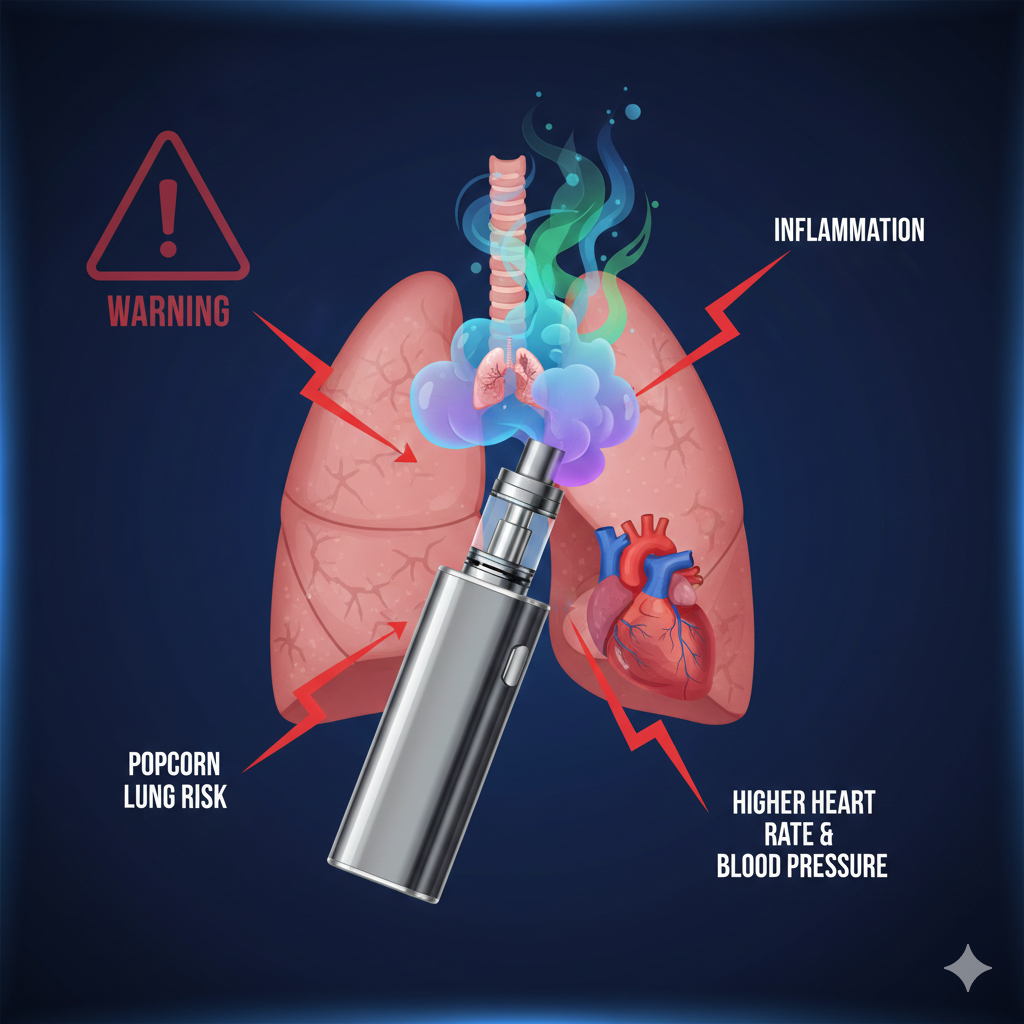
Even “nicotine‑free” or “0 mg” vapes can contain ultrafine toxic particles, volatile organic compounds, and chemicals like diacetyl, linked to “popcorn lung” (bronchiolitis obliterans) --- a serious, irreversible lung disease.
The Philippine vaping picture: “parang wala lang,” but the stats say otherwise
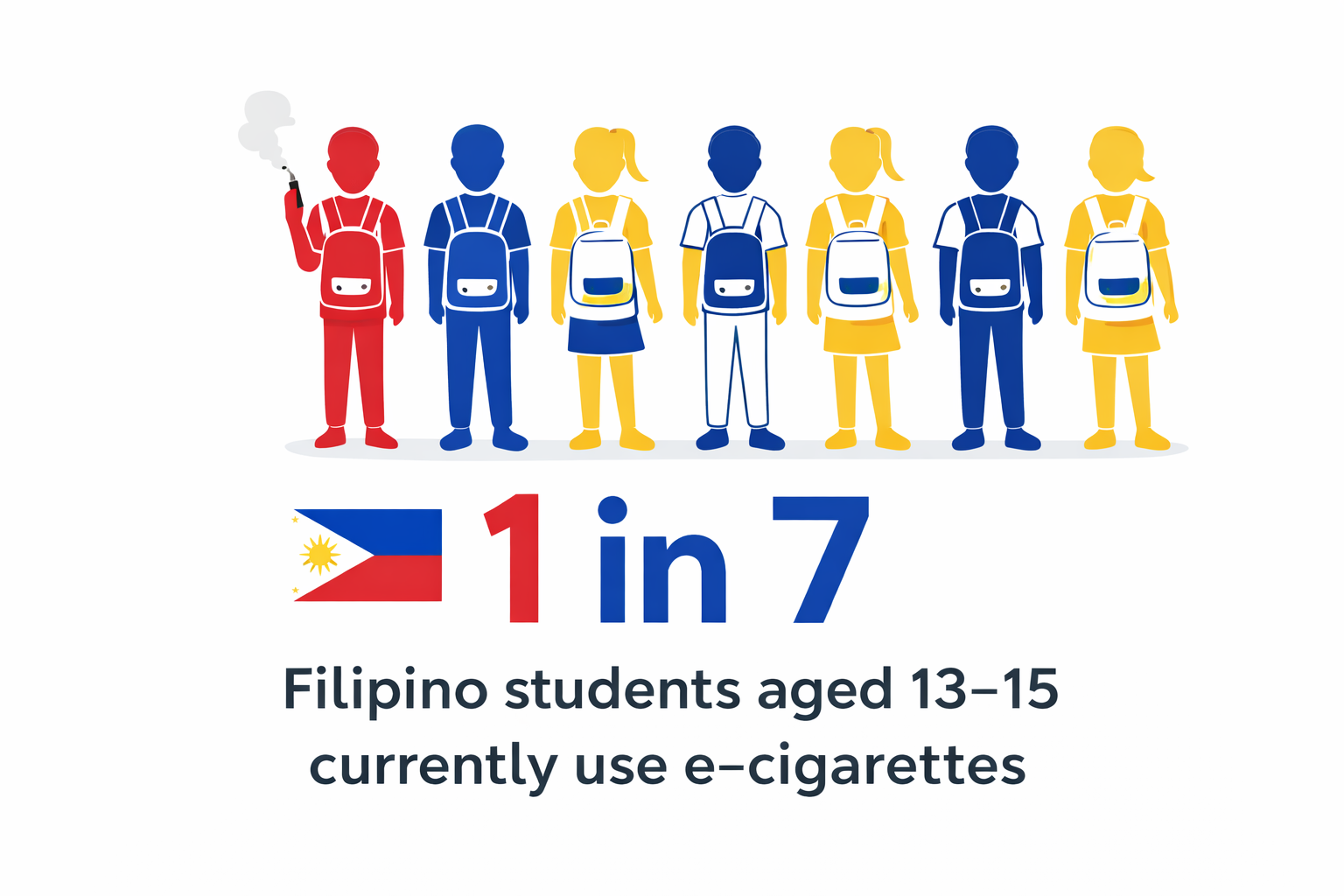
For Filipinos, vaping is no longer a niche thing...it’s mainstream:
- The 2019 Global Youth Tobacco Survey found that 1 in 7 Filipino students aged 13–15 currently use e‑cigarettes, and 1 in 4 have tried them.
- A 2024–2025 review warned that ENDS use is rising among Filipino youth, with easy access through stores and social media, despite age restrictions.
- Recent figures suggest around 1 million new smokers and vapers aged 10–19 were recorded in 2023 in the Philippines.
Vaping is marketed as cool, discreet, and “less harmful”—perfect for teens who are curious, stressed, and online 24/7. Many Pinoy parents don’t even recognize some vapes as nicotine devices.
“Mas safe kaysa yosi”? What science says about health risks
Current research is clear on one thing: vaping is not harmless. Even if it might be less toxic than smoking for some adult heavy smokers, it still comes with real risks...especially for young, healthy lungs and hearts.
1. Lungs: irritation, injury, and EVALI
- Vaping can cause cough, shortness of breath, chest tightness, and worsen wheezing or asthma symptoms.
- E‑cigarette or Vaping‑Associated Lung Injury (EVALI) has led to thousands of hospitalizations and deaths abroad. Patients had severe breathing problems, lung inflammation, and required oxygen or ICU care.
- Chemicals like diacetyl (used for buttery flavors) are linked to popcorn lung, a condition where small airways are scarred and narrowed permanently.
2. Heart and blood vessels: not spared
Vapes can:
- Raise heart rate and blood pressure through nicotine.
- Trigger inflammation, oxidative stress, and blood vessel dysfunction.
- Be associated with increased risk of heart disease and stroke over time, based on emerging cardiovascular studies.
3. Brain: especially dangerous for teens
The adolescent brain (teens and early 20s) is still developing. Nicotine during this phase can:
- Change brain pathways related to attention, learning, and impulse control.
- Increase risk of mood disorders and make it harder to quit later.
For Filipino teens already juggling academic pressure, mental health struggles, and social media stress, adding nicotine dependence on top is a dangerous combo.
Why Filipino youth are especially vulnerable
In the Philippine context, vaping doesn’t exist in a vacuum:
- Colorful flavors and sleek designs make vapes look like gadgets or candy, not medical devices delivering a potent drug.
- Peer pressure (“lahat naman nagva‑vape”), plus our culture of “hiya” often stops teens from asking adults real questions about risks.
- Regulation gaps: Republic Act 11900 shifted much of vape regulation to the Department of Trade and Industry; critics warn this could weaken health‑focused controls, and flavored vapes remain widely accessible.
Result: many Filipino teens and young adults now start with vapes instead of cigarettes, turning e‑cigs into a gateway to nicotine, not a step away from it.
But doesn’t vaping help smokers quit?
There is nuance:
- Some studies (like UK trials) suggest vapes can be more effective than nicotine patches or gums for certain adult smokers trying to quit, when done under medical supervision.
- The UK has even used e‑cigarettes as part of a structured smoking cessation strategy, mainly for long‑time adult smokers.
However:
- Many Filipinos use vapes on top of cigarettes (dual use), which may increase exposure instead of reducing it.
- For teens and young non‑smokers, vaping is not harm reduction...it’s harm introduction.
So, vaping might have a place for some adult smokers trying to quit yosi, but it is absolutely not “safe,” not “vitamin,” and not for kids.
Red flags: when a vaper should see a doctor ASAP
If you or someone you love vapes and has any of these, don’t “tiis‑tiis lang”...magpatingin na:
- Persistent cough, chest pain, or shortness of breath
- Wheezing, especially if new or worsening
- Unexplained fatigue, dizziness, or chest tightness
- Frequent colds or respiratory infections
- Feelings of anxiety, irritability, or cravings when not vaping (signs of nicotine dependence)
Through 800ZED, users can:
- Book a teleconsult for cough, chest symptoms, or worries about vaping
- Discuss quit plans and nicotine tapering with a doctor
- Get referrals for lung tests or mental health support if needed
Is vaping killing us slowly?
Here’s the honest breakdown:
- For a long‑time adult smoker switching completely from cigarettes to controlled, monitored vaping, risk may be lower than continuing to smoke...but it’s not zero.
- For Filipino teens and young adults who never smoked before, vaping is very likely adding new health risks, especially for lungs, heart, and brain, while building a strong nicotine addiction.
- For the Philippines as a whole, the rise of e‑cigs among youth looks less like a “healthy alternative” and more like a new epidemic in slow motion.
So yes...if we ignore the numbers, normalize the habit, and delay quitting, vaping can absolutely be one of the ways we’re killing ourselves slowly.