
Loading...
Published on December 4, 2025 By 800ZED

Diabetes is one of the most commonly diagnosed diseases globally, affecting approximately 422 million people worldwide according to the World Health Organization. Yet many people don't recognize the symptoms until significant complications develop. The sooner you identify diabetes, the more effectively you can manage your condition and prevent serious health complications.
Key fact: Type 2 diabetes develops gradually, and symptoms can be so subtle that you might not notice them for years. This is why understanding the warning signs is crucial for early detection and intervention.
All diabetes symptoms stem from elevated blood glucose (blood sugar) levels that the body cannot effectively use or regulate. When your pancreas cannot produce enough insulin (type 1) or your body cannot use insulin effectively (type 2), glucose accumulates in your bloodstream. This excess glucose disrupts normal body function, creating the symptoms outlined below.
These symptoms can appear in both types of diabetes and warrant medical evaluation:
 1. Extreme Fatigue (Diabetes Fatigue Syndrome)
Extreme fatigue is one of the hallmark symptoms of diabetes, affecting the quality of life for many newly diagnosed patients.
Why it happens: Fatigue occurs due to fluctuating blood glucose levels that don't supply sufficient glucose for your body to use for energy. When cells cannot absorb glucose effectively, your body operates in an energy-depleted state despite consuming food.
What to look for: Persistent tiredness throughout the day, difficulty concentrating, needing excessive sleep, or feeling exhausted even after rest.
Importance for early detection: Diabetes fatigue differs from normal tiredness—it's often debilitating and doesn't improve with rest.
Intense hunger, medically known as polyphagia, is a warning sign that shouldn't be ignored.
Why it happens: Your body uses glucose in the blood to feed cells. When this system is impaired, your cells cannot absorb glucose. This metabolic dysfunction triggers constant hunger signals as your body desperately searches for fuel.
What to look for: Persistent hunger despite eating regular meals, cravings for sugary foods, sudden increase in food intake without appetite satisfaction.
One of the most recognizable early signs of diabetes is needing to urinate more frequently than usual.
Why it happens: When blood glucose levels exceed normal range, your kidneys cannot reabsorb al

l the excess glucose. The kidneys must compensate by drawing water from your blood, resulting in more frequent urination.
What to look for: Making multiple bathroom trips throughout the day and night, waking frequently to urinate (nocturia), increased urine volume.
Clinical significance: This is often one of the first symptoms people notice, particularly increased nighttime urination.
Because you have to urinate frequently, you naturally become very thirsty—the body's attempt to replace lost fluids.
Why it happens: The combination of your kidneys working overtime to eliminate excess glucose and fluid loss from increased urination triggers intense thirst signals.
What to look for: Chronic dry mouth, difficulty quenching thirst, drinking unusual amounts of water or beverages, persistent dehydration despite fluid intake.
Elevated blood sugar levels can directly damage your retinas and cause fluid imbalances around your eyeballs.
 Why it happens: High glucose levels cause the lens of your eye to swell, changing its shape and affecting your ability to focus. This creates temporary or persistent blurred vision.
What to look for: Sudden vision changes, difficulty reading, trouble focusing on objects at various distances, floaters or flashes of light.
Medical importance: Persistent blurry vision can indicate diabetic retinopathy if left untreated—one of the leading causes of blindness in adults.
Because your body is using fluids to produce excess urine, there's significantly less moisture available for the rest of your body.
Why it happens: The osmotic effect of high blood glucose draws water out of cells and tissues, leaving your mouth dry and your skin dehydrated.
What to look for: Persistent dry mouth despite drinking water, cracked lips, difficulty swallowing, increased thirst.
Itchy skin is often caused by diabetes and is sometimes one of the first noticeable symptoms.
Why it happens: Itching can result from multiple mechanisms: yeast or fungal infections (which thrive in high-glucose environments), dehydration-induced dry skin, or poor circulation restricting nutrients to skin.
What to look for: Generalized itching without visible rash, localized itching in specific areas (feet, genitals), chronic skin irritation, frequent scratching.
If your body cannot get adequate energy from glucose, it begins breaking down muscle and fat for energy instead.
Why it happens: In type 1 diabetes especially, the body cannot utilize glucose properly, so it metabolizes stored fat and muscle tissue for fuel—resulting in rapid weight loss.
What to look for: Significant weight loss over weeks or months without dietary changes, loss of muscle mass, sudden decrease in clothing size.
Red flag: Unplanned weight loss combined with other symptoms requires immediate medical attention.
Both high and low blood sugar can make you feel sick to your stomach, and this unsettled feeling is often one of the first signs.
Why it happens: Extreme blood glucose fluctuations disrupt normal stomach acid production and gastric motility. In severe cases (diabetic ketoacidosis), nausea can be intense.
What to look for: Persistent nausea without apparent cause, vomiting after eating, loss of appetite, stomach discomfort.
Urgency: Severe nausea combined with fruity-smelling breath requires emergency medical care.
High blood sugar can affect nerve cells in the inner ear and cause impaired hearing—a lesser-known but documented symptom.
Why it happens: Sustained hyperglycemia damages the delicate sensory cells in the cochlea, resulting in sensorineural hearing loss.
What to look for: Difficulty hearing conversations, need to increase volume on devices, muffled hearing, tinnitus (ringing in ears).
Clinical note: Include hearing assessment during your physical exam if diabetes is suspected.
These symptoms are more characteristic of type 2 diabetes and often appear after glucose has been elevated for an extended period:
Diabetics often notice they've developed sweet or nail-polish-like breath odor before diagnosis.
Why it happens: Sweet breath is often a sign of diabetic ketoacidosis (DKA), a condition where your body cannot effectively convert glucose into energy. Ketone bodies accumulate, creating the distinctive fruity odor.
What to look for: Unusual breath odor despite good oral hygiene, fruity or acetone-like smell on breath, breath that others comment on.
Emergency indicator: Sweet breath combined with nausea, vomiting, or breathing difficulty requires immediate emergency care.
Over time, high blood sugar narrows blood vessels and restricts blood circulation.
Why it happens: Hyperglycemia reduces blood flow and restricts the delivery of nutrients and oxygen to tissues. This impairs the body's healing cascade, extending recovery time.
What to look for: Cuts or scrapes that take weeks to heal, wounds that seem to worsen, signs of infection in minor injuries, persistent sores.
Complication risk: Slow-healing wounds can progress to diabetic ulcers, potentially requiring amputation if untreated.
Elevated blood sugar can damage nerves, often signaled by tingling sensations—medically known as peripheral neuropathy.
Why it happens: Chronic hyperglycemia damages the myelin sheath protecting nerves, disrupting nerve signal transmission and causing abnormal sensations.
What to look for: Tingling or "pins and needles" sensation in extremities, numbness that makes tasks difficult, decreased sensation to temperature or pain, burning feet.
Progression risk: If left untreated, nerve damage can lead to tissue death and amputations.
About 10-20% of people diagnosed with type 2 diabetes already have some nerve damage related to the disease.
Why it happens: Diabetic neuropathy results from sustained high blood glucose damaging nerve fibers, particularly in the feet and legs due to distance from the heart.
What to look for: Electric tingling sensations, decreased sensation or balance problems, difficulty walking, foot pain or burning, inability to feel temperature changes.
Warning: Neuropathy increases risk of foot injuries going unnoticed, potentially leading to serious infections.
Many people with diabetes notice small round or oval lesions on their lower legs.
Why it happens: These spots, known as diabetic dermopathy, are thought to result from minor trauma combined with impaired blood flow and nerve damage. They occur in up to 55% of people with diabetes.
What to look for: Small brown spots or patches on lower legs and feet, shiny appearance, slight scaling, typically painless and non-itchy.
Another warning sign is acanthosis nigricans, causing dark, velvety discoloration on the back of your neck.
Why it happens: This condition reflects insulin resistance—the underlying mechanism of type 2 diabetes. The velvety skin changes result from keratin overgrowth.
What to look for: Darkened patches on neck, armpits, or groin, velvety or thickened skin texture, typically asymptomatic but cosmetically concerning.
Association: Acanthosis nigricans is closely linked to insulin resistance and metabolic syndrome.
Periodontitis, also known as gum disease, may be an early sign of type 2 diabetes.
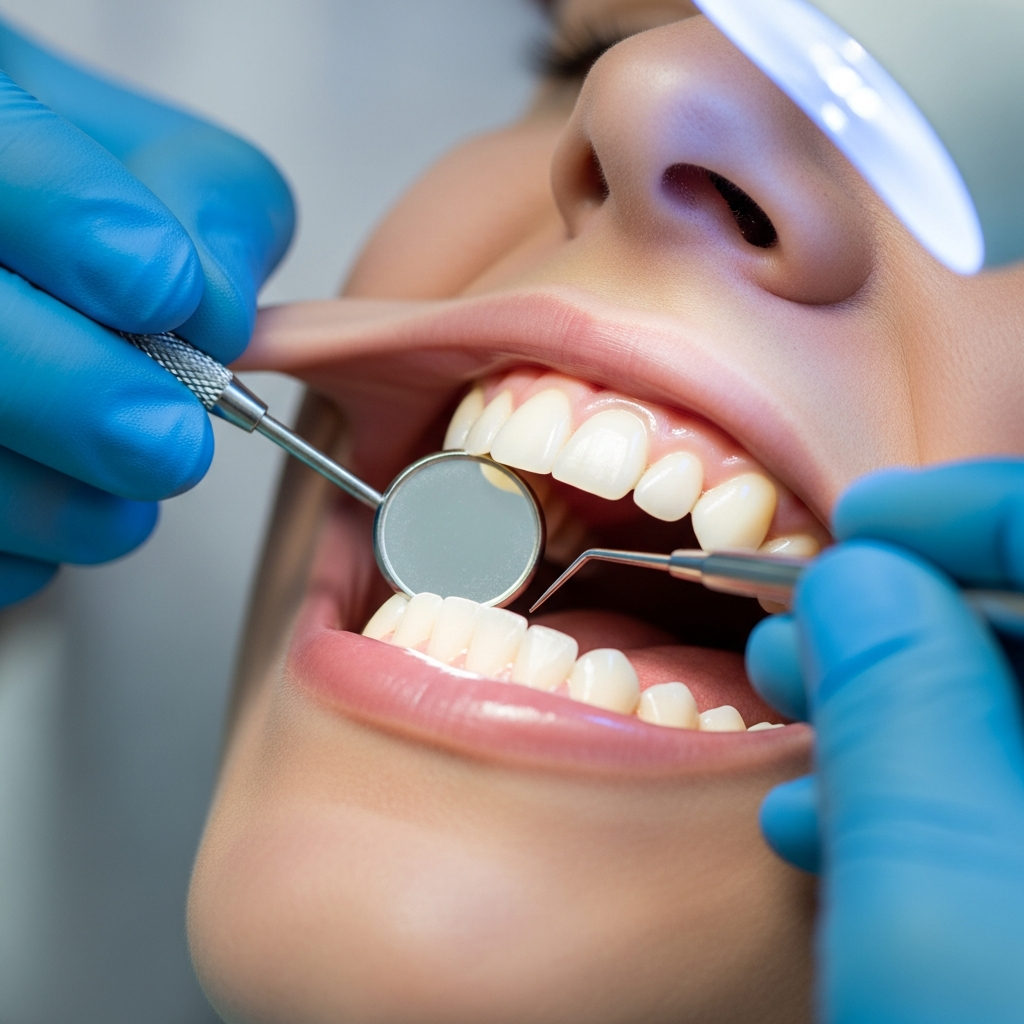 Why it happens: High blood glucose levels impair immune function and increase inflammation, making the gums more susceptible to bacterial infection. Additionally, elevated glucose in saliva creates an environment where oral bacteria thrive.
Research finding: Studies have found that people with gum disease, especially severe cases, had significantly higher rates of diabetes and prediabetes than those without.
What to look for: Red or swollen gums, bleeding when brushing teeth, persistent bad breath, loose teeth, receding gumline.
Clinical importance: Routine dental exams can reveal early warning signs of diabetes.
Both men and women with diabetes can develop yeast infections more frequently than others.
Why it happens: Yeast (Candida) feeds on glucose. High blood glucose levels create a glucose-rich environment in urine and on skin, allowing yeast to proliferate. Additionally, elevated glucose impairs white blood cell function, weakening immune defenses.
What to look for: Recurring vaginal or penile yeast infections, itching and burning sensations, unusual discharge, persistent despite treatment.
Gender differences: Women may experience recurrent vaginal yeast infections; men may experience balanitis (penile inflammation).
People with type 2 diabetes tend to get infections more often than the general population.
Why it happens: High blood sugar is associated with impaired immune function. Elevated glucose levels reduce the effectiveness of white blood cells in fighting off pathogens, while also creating environments where bacteria thrive.
What to look for: Recurring bacterial infections (urinary tract infections, skin infections, respiratory infections), frequent fungal infections, infections that take longer to resolve, severity of common infections.
Clinical significance: Recurrent infections can be an overlooked early indicator of undiagnosed diabetes.
For men, a noticeable decline in erectile function could be a sign of diabetes.
Why it happens: Diabetes affects blood vessels and nerves responsible for penile erection. Elevated glucose levels damage the endothelium (blood vessel lining), reducing blood flow and nerve function necessary for erections.
Statistics: Up to 71% of men with diabetes suffer from erectile dysfunction, often appearing before other symptoms.
What to look for: Difficulty achieving or maintaining erections, reduced sexual interest, decreased sexual satisfaction, onset before age 50.
Medical importance: ED can be the first recognized sign of diabetes in men—mention it to your healthcare provider.
If your libido has diminished significantly, diabetes may be responsible.
Why it happens: Poor circulation and depression that often accompany uncontrolled diabetes reduce sexual arousal and satisfaction. Hormonal imbalances and psychological factors compound the issue.
What to look for: Loss of sexual interest, inability to achieve arousal, difficulty with sexual performance, relationship strain.
The rapid surges and dips in blood sugar create profound shifts in mood, including depression.
Why it happens: Blood glucose fluctuations affect neurotransmitter production and brain chemistry. Additionally, the metabolic stress of unmanaged diabetes triggers inflammatory responses affecting mental health.
Research connection: Studies show people with diabetes have a significantly higher risk of depression than the general population.
What to look for: Persistent sadness, loss of interest in activities, sleep disturbances, difficulty concentrating, hopelessness.
Important note: Depression accompanying diabetes requires professional mental health support.
Studies have found that people taking daytime naps longer than one hour were 45% more likely to have type 2 diabetes.
Why it happens: Sleep deprivation, depression, or sleep apnea are all associated with increased diabetes risk. Additionally, people with undiagnosed diabetes experience fatigue and compensate with excessive napping.
What to look for: Regular naps exceeding one hour, difficulty staying awake during day, excessive daytime sleepiness despite adequate nighttime sleep.
Related factors: Sleep apnea is common in diabetics and worsens glucose control.
While some people with diabetes lose weight, weight gain is nearly as common.
Why it happens: Diabetes and thyroid disorders frequently co-occur, making people with diabetes more susceptible to weight gain. Insulin resistance itself can promote fat storage, particularly around the midsection. Type 2 diabetes medications may also contribute to weight gain.
What to look for: Gradual or sudden weight gain, accumulation of weight around the abdomen (visceral fat), difficulty losing weight despite diet and exercise, increase in clothing size.
For many women, a diagnosis of polycystic ovary syndrome (PCOS) means a diabetes diagnosis isn't far behind.
Why it happens: Both PCOS and type 2 diabetes are associated with insulin resistance—similar hormonal dysfunction underlies both conditions. Women with PCOS have 2-3 times higher risk of developing type 2 diabetes.
What to look for: Irregular menstrual cycles, excessive facial or body hair (hirsutism), acne, difficulty conceiving, weight gain, dark skin patches.
Clinical connection: Women diagnosed with PCOS should have regular glucose monitoring and diabetes screening.

Gestational diabetes develops during pregnancy when the placenta produces hormones that increase insulin resistance. Approximately 2-10% of pregnancies are affected.
Important fact: High blood sugar during pregnancy usually has NO symptoms, which is why glucose screening is mandatory for all pregnant women, typically between weeks 24-28 of pregnancy.
Why screening matters: Uncontrolled gestational diabetes increases risks for:
Screening protocol: All pregnant women should have:
Diabetic Ketoacidosis (DKA) symptoms:
Hypoglycemia (Low Blood Sugar):
Other Emergency Indicators:
Age-related risk:
Family and ethnicity:
Weight and metabolism:
Medical history:
Lifestyle factors:
Nutrition:
Physical activity:
Weight management:
Sleep and stress:
Fasting Blood Glucose:
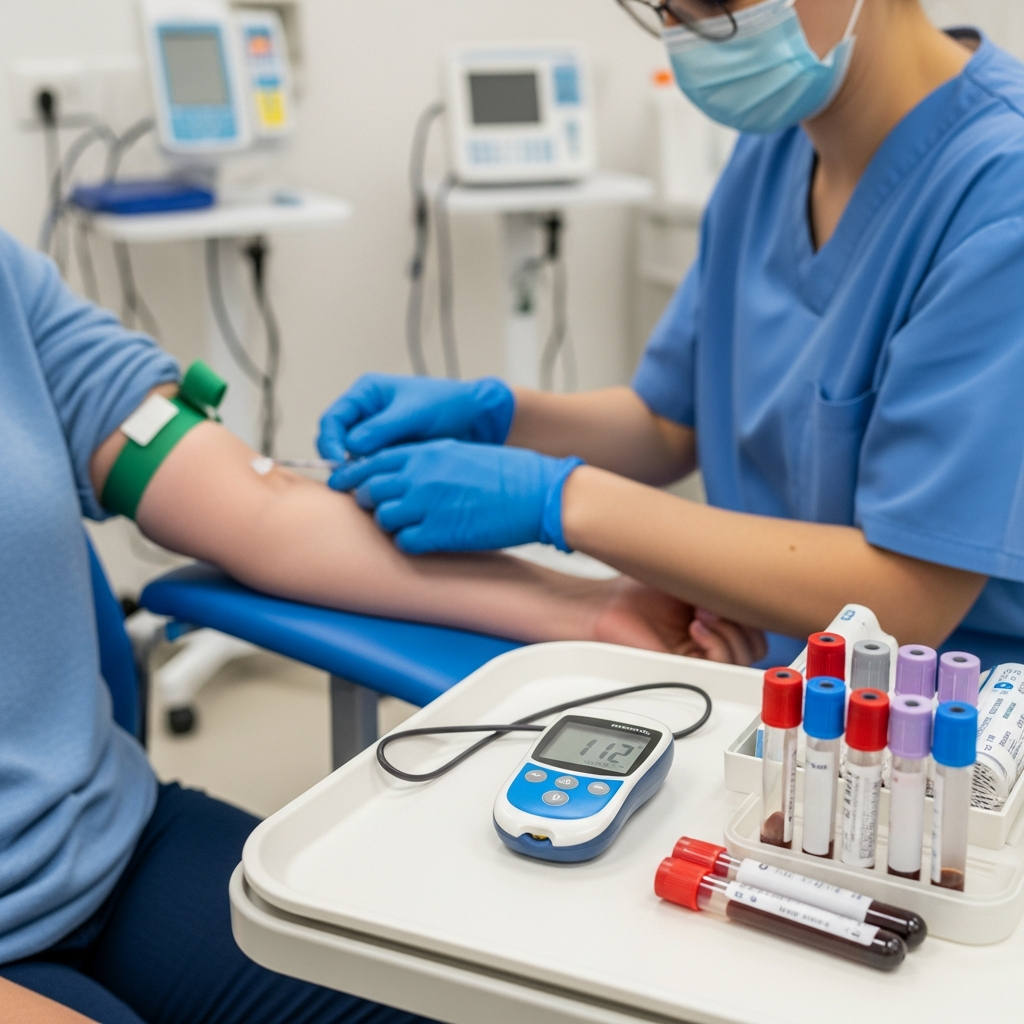
Hemoglobin A1C (HbA1c):
Oral Glucose Tolerance Test (OGTT):
Random Blood Glucose:
Early diabetes detection enables:
Immediate steps:

At your appointment, discuss:
If diagnosed:
Diabetes is a serious condition, but it's highly manageable when detected early. The 25 symptoms outlined in this guide represent your body's signals that something needs attention. Whether you're experiencing one symptom or several in combination, it's crucial to seek medical evaluation.
Remember: Early detection and intervention can prevent or delay serious complications, improve your quality of life, and add years to your healthy lifespan. If you experience any of these warning signs, don't delay - contact your healthcare provider for evaluation and testing.
At 800Zed Healthcare, we offer comprehensive diabetes screening and management services, including home visits, clinic evaluations, and telemedicine consultations. Whether you need preliminary screening or ongoing diabetes management, we're here to support your health journey with convenient, accessible care.
Take action today. Your health is worth it.
Q: Can I have diabetes without any symptoms?
A: Yes. Type 2 diabetes can develop silently over years. This is why screening is recommended for high-risk groups even without symptoms.
Q: How quickly do diabetes symptoms appear?
A: Type 1 symptoms develop rapidly over weeks. Type 2 symptoms develop gradually over months to years, often going unnoticed.
Q: Are these symptoms definitely diabetes?
A: While these symptoms warrant evaluation, they can indicate other conditions. Only medical testing can confirm diabetes diagnosis.
Q: Can prediabetes have symptoms?
A: Prediabetes typically has no symptoms, but some people may notice early warning signs. Testing is the only way to know your glucose status.
Q: How often should I get tested?
A: High-risk individuals should be screened every 3 years. Those with prediabetes need more frequent monitoring. Ask your doctor about your personal risk.
Q: Can I reverse type 2 diabetes?
A: While complete reversal isn't guaranteed, intensive lifestyle changes can sometimes achieve normal glucose levels without medication (remission).

Copyright © 2026 by 800zed. All Rights Reserved.
We use cookies to give you the best service on our site. By continuing to use the site you consent to our Privacy Policy
📲 Install 800 ZED App for quick access!
📲 Install 800 ZED App on your iPhone
Tap Share → Add to Home Screen
📲 Install 800 ZED on Firefox
Open menu ☰ → Install
Subscribe our newsletter for latest updates
Get the latest updates, promotions, and news delivered straight to your inbox.